
Your shopping cart is empty!
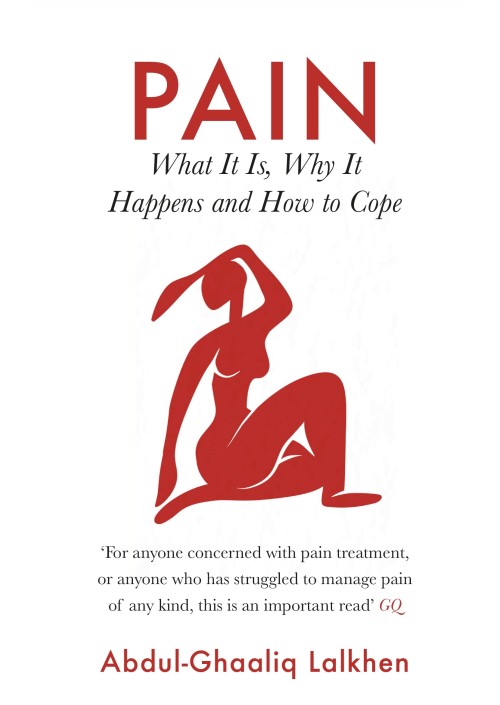
Pain : What It Is, Why It Happens and How to Cope by Dr Abdul-Ghaaliq Lalkhen
Manufacturer:
Atlantic Books
Availability:
1
Price:
$20.00
Common belief still links pain directly to tissue damage, but this is only part of the picture — the organ that actually produces pain is the brain. Case studies reveal surprising differences: a woman recovering from a caesarean often reports far less pain than someone undergoing a similarly invasive operation, and a soldier wounded in battle processes pain very differently from a civilian with a comparable injury. Pain is a complex blend of nerve signals, psychological state, social conditioning, and situational awareness.
Drawing on case studies and medical history, Dr Lalkhen takes us through the many facets of pain — from chronic to acute — and explores current treatment options, from medications (including opioids) to electrical nerve stimulation.
Whether a mild ache or severe suffering, pain touches us all. This important and illuminating book helps us understand and manage an experience that for many can become overwhelming.
There are no reviews for this product.