
Your shopping cart is empty!
Blog
When Harrods of London Came After My Grandad
Denita Tizard
The remarkable true story of Henry Harrod, Harrodsville, and the legal battle that captured New Zealand’s heart.
This week I had the honour of sharing my grandad Henry's story on Seven Sharp. Thank you to Erin and the Seven Sharp team for giving me the opportunity to honour his memory.
Some family stories become legends. This is one of ours.
When I was eleven years old, my grandfather, Henry Harrod, found himself in a legal battle with one of the most famous department stores in the world—Harrods of London. At the time, I didn't understand much of what was happening. I just knew there were newspaper reporters, lawyers' letters, and worried conversations between the adults. Looking back now, I realise how much the whole ordeal weighed on Grandad's shoulders.
Before all of that, he had already built something extraordinary. Grandad and his wife transformed an old girls’ home on Margaret Street in Palmerston North into a beautiful restaurant they called 'Harrods'. It was never just a place to eat; it became a destination where countless celebrations were shared. The gardens were stunning, weddings were held there, and in time motel units were added to the property. It became a place filled with laughter, milestones, and treasured memories for many people.
Here is a photo of Henry and Brenda on one of those special evenings, celebrating their wedding anniversary and the love they shared.
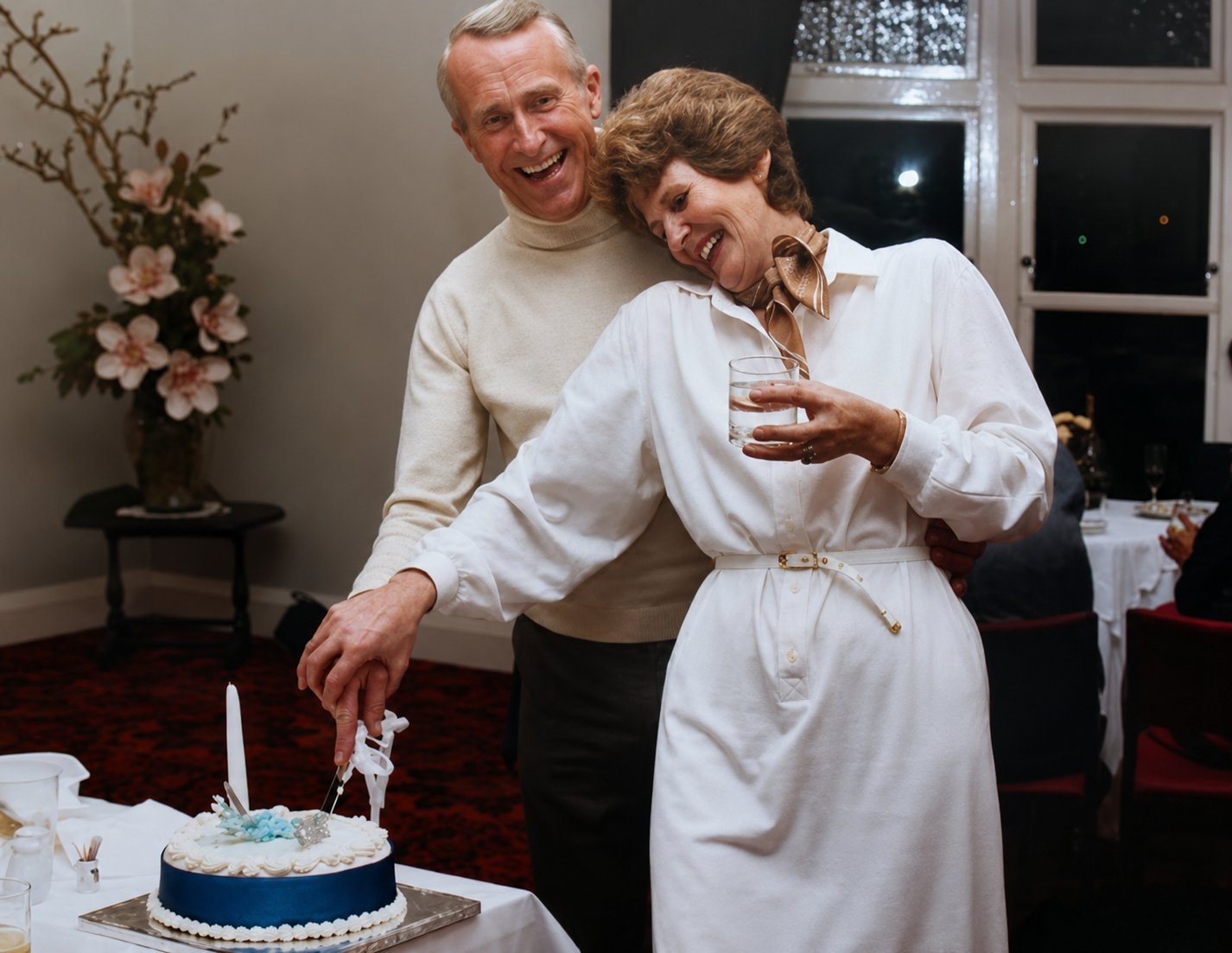
Some of my happiest childhood memories are from that place. I remember Grandad teaching me to ballroom dance. I remember the wonderful staff, who always made me feel welcome. I remember wandering through the restaurant and kitchen into the staff room, where Grandad would grin and ask if I wanted some licorice. It was his favourite, but with his mischievous sense of humour you were never quite sure what you were being offered real or fake licorice.
Then everything changed. In court, Harrods of London argued that people might believe there was a connection between the two businesses. What followed was, from what I remember and what I’ve since read on how far a famous brand’s reputation can stretch.
For a small family business in New Zealand, taking on one of the world's most famous retailers was overwhelming. The newspaper articles tell the legal story, but they don't tell the emotional one. They don't show what it feels like when your own surname suddenly becomes something you have to defend.
Then New Zealand stepped in. People across the country saw Grandad as the underdog. They believed a local businessman was being bullied by a global corporation. In one of the most wonderfully Kiwi responses imaginable, the town of Otorohanga temporarily renamed itself Harrodsville. Businesses changed their signs in support of my grandfather, transforming a legal dispute into a nationwide statement of solidarity.
It was more than a protest; it was a community saying, “We’re with you."
Although the legal battle came to an end, I think something else ended too. Grandad had poured his heart into that restaurant, and after years of stress, it just wasn't the same. In time, he sold the business and started a new chapter. Life moved on, as it always does, but the story of Harrods remained part of our family history.
Then, around twenty years later, something rather lovely happened. My auntie Lyn bought Grandad a ticket to London, and he finally visited the famous Harrods department store—the very place that had caused him so much stress all those years earlier. What had once been a source of worry became, in the end, a place he could see with his own eyes.
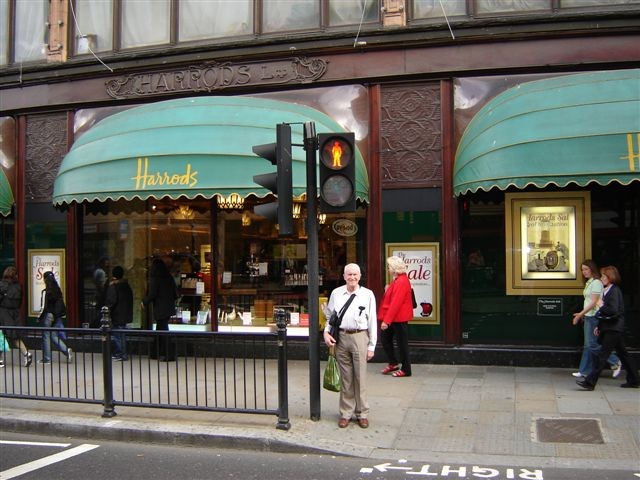
I've always imagined there was something healing about that visit. Perhaps he looked around and smiled. Perhaps he realised life was too short to carry old battles forever.
Today, if you look through the history of Harrods, you'll even find a small mention of my grandfather on the wikipedia page. His story became part of the history of one of the world's most famous stores.
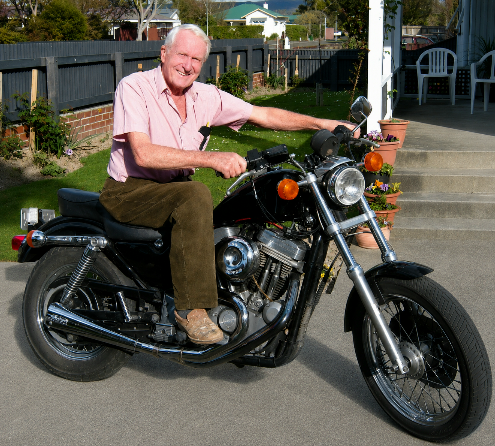
But that's not how I remember him. I remember the man who taught me to dance and many other wonderful life and work ethics. I remember the beautiful gardens, the celebrations, the laughter, the smell of the restaurant, and the cheeky grin as he offered me "licorice." Those are the memories that matter. The court case made headlines. Henry Harrod made memories. And for me, that's the legacy worth remembering.
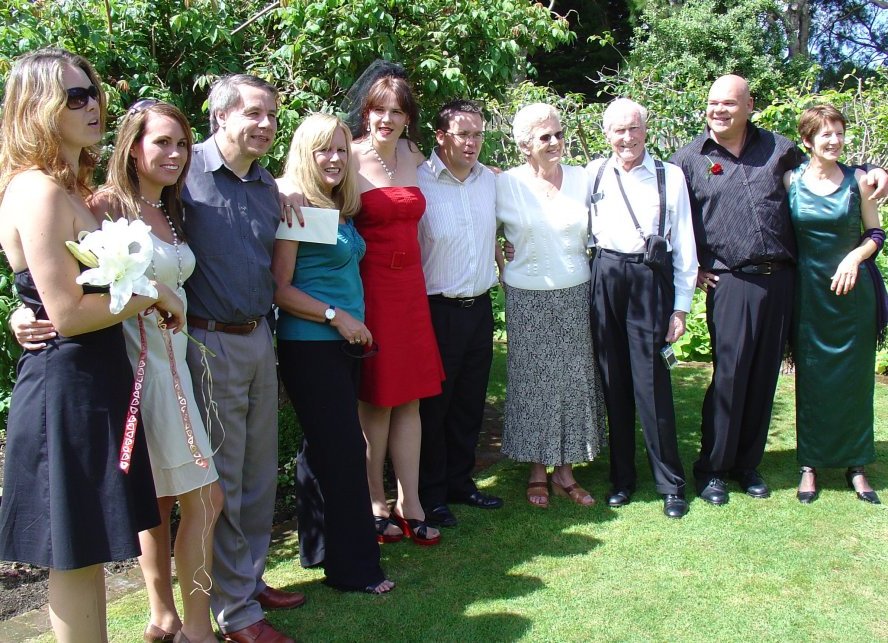
This photo below is one of the last photographs of the Harrod family together, except for my Dad, taken at our wedding in 2007. After Grandad’s cancer diagnosis, we didn’t know if he would make it to our wedding, but he stubbornly held on so he could share that day with us. I will always be grateful that he was there. Sadly, he passed away a few weeks later.
As I’ve grown older, I’ve realised that Grandad left me with another lesson, one that had nothing to do with restaurants or court cases. He taught me that not every fight is worth fighting.
Years later, I unintentionally used the name of a well-known trademarked essential oil blend. When the company contacted me, I simply said, “That’s okay, I’ll change it.” I had seen what years of legal stress could do to a person, and I knew I didn’t want that in my life.
Grandad’s story taught me that protecting your wellbeing, your joy, and the life you are trying to build can sometimes be the bravest choice of all.
These days, I would rather spend my energy creating a good life than fighting battles that cannot give me back what has already been lost.
Love you Grandad x